Shadcn Blog Component
Craft engaging blog layouts with Shadcn Blog blocks. Ideal for sharing updates, news, and content in a clean, readable format.

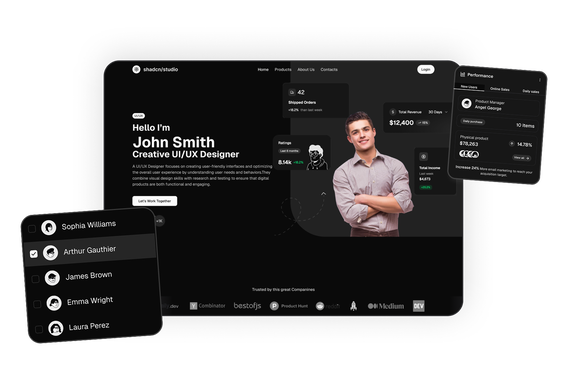
Shadcn Blog Component Blocks
Shadcn Blog Component Blocks are modern UI components designed to display blog posts, articles, and content previews in a structured and visually engaging format. Built using Shadcn UI, Tailwind CSS, and React, these components help developers present blog content clearly while maintaining a consistent design system.
Blog sections are essential for websites that publish content regularly, including SaaS platforms, startup websites, developer blogs, documentation portals, and content marketing sites. They allow visitors to easily browse articles and discover valuable information.
At Shadcn Studio, you will find numerous Shadcn Blocks. The blog component blocks include modern layouts such as blog grids, featured article sections, and content cards that help developers showcase blog posts in an organized and readable format.
Many teams also integrate these layouts into scalable Base UI Blog Component Block workflows and reusable Radix UI Blog Component Block systems for modern React content platforms.
What Is a Blog Component in Web Design?
A blog component is a UI section used to display a collection of blog posts or articles on a website. It is typically used on blog index pages, landing pages, or content hubs to help users browse and discover articles.
A typical blog component includes:
- Article thumbnails or featured images
- Blog titles and short descriptions
- Author name and profile information
- Publication date and reading time
- Category tags or labels
These Shadcn components help organize blog content using structured layouts such as card grids, lists, or featured article sections, making it easier for users to explore content.
Why Use Shadcn Blog Component Blocks?
Shadcn blog blocks provide modern layouts designed to present blog content effectively while maintaining readability and visual consistency.
Modern Blog Layouts
These blocks use structured card-based layouts that highlight article titles, summaries, and images to improve readability.
Built with React and Tailwind
Shadcn blog components are built using React and Tailwind CSS, making them easy to integrate with frameworks such as Next.js and modern frontend stacks.
These layouts also work well for composable Base UI Blog Component Block implementations with scalable publishing workflows.
Fully Responsive
Blog components automatically adapt to different screen sizes, ensuring optimal reading experiences across desktop, tablet, and mobile devices.
Content Discovery Focus
Well-designed blog layouts help users browse articles quickly and encourage deeper exploration of website content.
Many developers use Radix UI Blog Component Block patterns for accessible and reusable content layouts.
Copy-Paste Developer Workflow
Shadcn blocks follow a copy-paste or CLI install workflow, allowing developers to integrate ready-to-use blog sections quickly.
Key Elements of a High-Converting Blog Section
A well-designed blog section typically includes several important elements.
Featured Post
Highlighting a main article helps draw attention to important or trending content.
Article Cards
Each blog post is displayed in a card format with a title, description, and image preview.
Author Attribution
Displaying author names or avatars builds credibility and provides context for readers.
Publication Metadata
Information like publish dates, tags, and categories helps users understand the content quickly.
Clear Navigation
Links such as Read More buttons help guide users toward full articles.
Types of Blog Component Layouts
Different websites use different blog layouts depending on their content strategy.
Blog Grid Layout
Displays multiple blog posts in a responsive grid of article cards.
List Layout
Shows blog posts in a vertical list with larger summaries and detailed metadata.
Featured Article Layout
Highlights a main article alongside smaller supporting posts.
Category-Based Layout
Allows users to filter blog posts by category or topic.
Content Hub Layout
Combines featured articles, categories, and article grids in a single page.
Use Cases for Blog Component Blocks
Shadcn blog components are widely used across different types of websites.
SaaS Product Websites
Publish product updates, tutorials, and industry insights.
Developer Blogs
Share technical guides, tutorials, and programming resources.
Startup Websites
Create content marketing articles that attract organic traffic.
Agency Websites
Publish design insights, case studies, and marketing tips.
Content Platforms
Display articles, news, and educational content for readers.
Features of Shadcn Blog Component Blocks
Shadcn blog blocks include several UI features designed for modern content websites.
Common features include:
- Responsive blog grids
- Article card layouts
- Featured post sections
- Author and publication metadata
- Category and tag indicators
- Image thumbnails and previews
- Tailwind CSS styling
- Dark mode compatibility
- Flexible composition support for Base UI Blog Component Block systems
- Accessible publishing patterns for Radix UI Blog Component Block workflows
These features help developers create modern blog layouts that improve content discovery and reader engagement.
Base UI Blog Component Block Support
Shadcn Studio layouts can be integrated into scalable Base UI Blog Component Block workflows for modern React applications. Developers can build accessible and composable publishing systems while maintaining flexible content layouts and reusable article interfaces.
To get proper guidence, refer the tutorial on how to Migrate from Radix UI to Base UI
Radix UI Blog Component Block Support
The layouts also work well with Radix UI Blog Component Block implementations commonly used in the Shadcn ecosystem. Developers can leverage accessible primitives, composable article structures, and reusable publishing workflows for production-ready content platforms.
Many teams prefer Radix UI Blog Component Block patterns for scalable content systems and modern editorial experiences.