Shadcn Datatable Component
Create responsive, interactive data tables with Shadcn DataTable blocks. Perfect for displaying large datasets with sortable columns and filters.
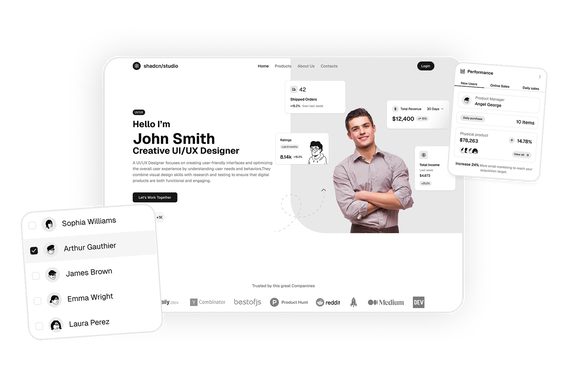
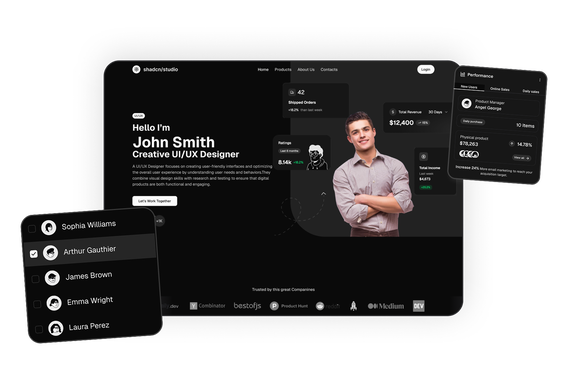
Shadcn Datatable Component Blocks: Advanced React Data Tables & Grids
Shadcn Datatable Component Blocks are modern UI components designed to display and manage structured datasets with advanced workflows such as sorting, filtering, grouping, pagination, row actions, and responsive shadcn filter table interfaces.
Datatable components are essential for dashboards, admin panels, analytics tools, SaaS platforms, CRM systems, and enterprise applications because they allow users to interact with large datasets efficiently. Instead of displaying raw data, a well-designed datatable organizes information into columns and rows, making it easier to analyze, filter, and manage.
At Shadcn Studio, you will find numerous Shadcn Blocks. The datatable component blocks include responsive layouts for displaying user lists, transaction records, analytics data, billing systems, operational reports, and other structured information in interactive tables.
Whether you're building Base UI Datatable Blocks or Radix UI Datatable Blocks, these components provide scalable and production-ready data management interfaces for modern React applications.
What Is a Datatable Component in Web Design?
A datatable component is a UI element used to display structured data in rows and columns while allowing users to interact with that data dynamically. It is commonly used in dashboards, admin panels, analytics systems, and data-driven applications.
Many developers also use tanstack table with shadcn patterns to build scalable and production-ready enterprise data interfaces. These layouts work especially well as reusable react data table and react-table workflows for dashboards, analytics systems, and enterprise applications.
A typical datatable includes:
- Column headers that describe each data field
- Rows containing structured data entries
- Sorting controls for columns
- Search and filtering tools
- Pagination controls for large datasets
- Row selection and bulk actions
- Inline row actions for editing or management
Datatable components help users analyze and interact with large amounts of data efficiently, making them a critical part of modern web applications and scalable React Datatable interfaces.
On Shadcn Studio, you will find multiple advanced shadcn ui data table example. Get inspired by these Shadcn Data Table example and use it in your upcoming project.
Why Use Shadcn Datatable Component Blocks?
Shadcn datatable blocks provide powerful layouts that help developers implement advanced data interfaces quickly.
Interactive Data Management
These components allow users to sort, filter, paginate, and navigate through large datasets efficiently.
Built with React, Base UI & Radix UI
Shadcn datatable components are built using React, Tailwind CSS, Base UI, and Radix UI, enabling seamless integration with frameworks such as Next.js and modern frontend stacks.
Highly Customizable
Developers can customize columns, row behaviors, filters, actions, and table layouts to match specific application requirements.
Accessible by Default
The datatable blocks support keyboard navigation, focus management, and accessibility-friendly interaction patterns.
Performance Optimized
Modern datatables support features like pagination, virtualization, and dynamic rendering to handle large datasets smoothly.
Copy-Paste Developer Workflow
Shadcn blocks follow a copy-paste or CLI install workflow, allowing developers to quickly integrate interactive tables into their applications.
Features
- Base UI Support: Compatible with scalable Base UI component architectures and modern React applications.
- Sortable Columns: Allow users to sort data dynamically by different fields.
- Search & Filtering Support: Quickly find and refine records inside large datasets.
- Pagination Controls: Improve usability for large-scale data management workflows.
- Row Actions & Bulk Operations: Perform edit, delete, export, or management actions directly inside the table.
- Responsive Datatable Layouts: Adapt table structures dynamically across desktop, tablet, and mobile devices.
- Dark Mode Compatibility: Supports modern theming systems and dark mode workflows.
- Integration with Other Shadcn Components: Easily combine datatables with Forms, Dialogs, Sheets, Tooltips, and Dropdown Menus.
- Search & Filtering Support: Create scalable shadcn filter table workflows with advanced search, grouped filters, and dynamic data refinement.
- Advanced Data Grid Layouts: Build scalable shadcn data grid interfaces with virtualization, bulk actions, and enterprise-ready table workflows.
- Grouping & Nested Rows: Support shadcn table grouping, expandable rows, shadcn nested table layouts, and hierarchical data rendering.
- Tree & Hierarchical Tables: Create advanced shadcn tree table workflows for structured datasets and expandable enterprise data systems.
- Empty & Loading States: Design responsive data table empty layouts with placeholders, skeletons, and guided user actions.
Types of Datatable Layouts
Different applications use different datatable layouts depending on the type of data being displayed.
Basic Datatable
Displays simple rows and columns for static datasets.
Shadcn Sortable Table
Allows users to sort columns by ascending or descending values.
Filterable Datatable
These responsive shadcn table layouts help users quickly refine large datasets through search inputs, grouped filters, and dynamic filtering systems.
Paginated Datatable
Divides large datasets into multiple pages for improved usability.
Actionable Datatable
Includes row-level actions such as edit, delete, preview, or view details.
Analytics Datatable
Modern shadcn advanced data table systems often include grouped analytics, KPI dashboards, export workflows, and real-time reporting interfaces.
Production Tips
- Use Clear Column Labels: Descriptive headers improve usability and data discoverability.
- Optimize Large Dataset Performance: Use pagination or virtualization for smoother rendering.
- Maintain Responsive Layouts: Ensure tables remain readable across smaller screens and mobile devices.
- Use Bulk Actions Carefully: Prevent accidental destructive actions with confirmations and safeguards.
- Keep Filters Intuitive: Overly complex filtering systems can reduce usability.
- Accessibility Considerations: Test keyboard navigation, focus states, and screen reader compatibility thoroughly.
- Optimize Action Visibility: Ensure row actions remain easy to discover without cluttering the interface.
- Use Consistent Table Structures: Maintain predictable layouts across the application for better UX.
Use Cases for Datatable Component Blocks
Shadcn datatable blocks are widely used across many types of applications.
Admin Dashboards
Manage users, products, permissions, and operational data.
SaaS Platforms
Display customer lists, subscriptions, invoices, and usage analytics.
Analytics Tools
Show KPIs, performance reports, and analytical datasets.
CRM Systems
Manage leads, contacts, customer pipelines, and sales workflows.
Internal Business Tools
Organize invoices, inventory records, employee data, and operational reports.
Enterprise Applications
Handle large-scale datasets with advanced filtering, pagination, and management workflows.
Base UI Datatable Support
The Base UI Datatable implementation provides a flexible and composable foundation for building highly customized data management systems and scalable enterprise interfaces. It offers excellent Tailwind CSS integration and responsive customization for modern React applications.
For migration guidance and implementation details, read the detailed guide on how to Migrate from Radix UI to Base UI which explains architectural differences, migration strategies, and implementation best practices.
Radix UI Datatable Support
The Radix UI Datatable approach focuses on accessibility, structured primitives, and production-ready interaction behavior. It is ideal for dashboards, analytics systems, SaaS applications, admin interfaces, and enterprise workflows requiring reliable data management experiences.